BTEC courses are vocational in nature and are more practical routes of academic study. Each course has a significant coursework component in its assessment method.
All our BTEC courses are studied at Level 3, making them ideally suited for progression into University or Higher-Level Apprenticeships. BTEC courses come in different sizes and are equivalent to either one or two A Levels.
To study a BTEC Level 3 course, you will need a minimum of five GCSEs at grade 4. You can also study BTEC courses alongside A Level courses if you meet the entry requirements.
Applied Law BTEC explores the underlying framework of the law and learn and apply key areas. You will study four units including Dispute Solving in Civil Law, Investigating Aspects of Criminal Law and the Legal...
Applied Psychology BTEC covers the key approaches to Psychology – cognitive, social, learning and biological. A practical focus on the application of Psychology gives an insight into areas such as the nature-nurture debate, why people...
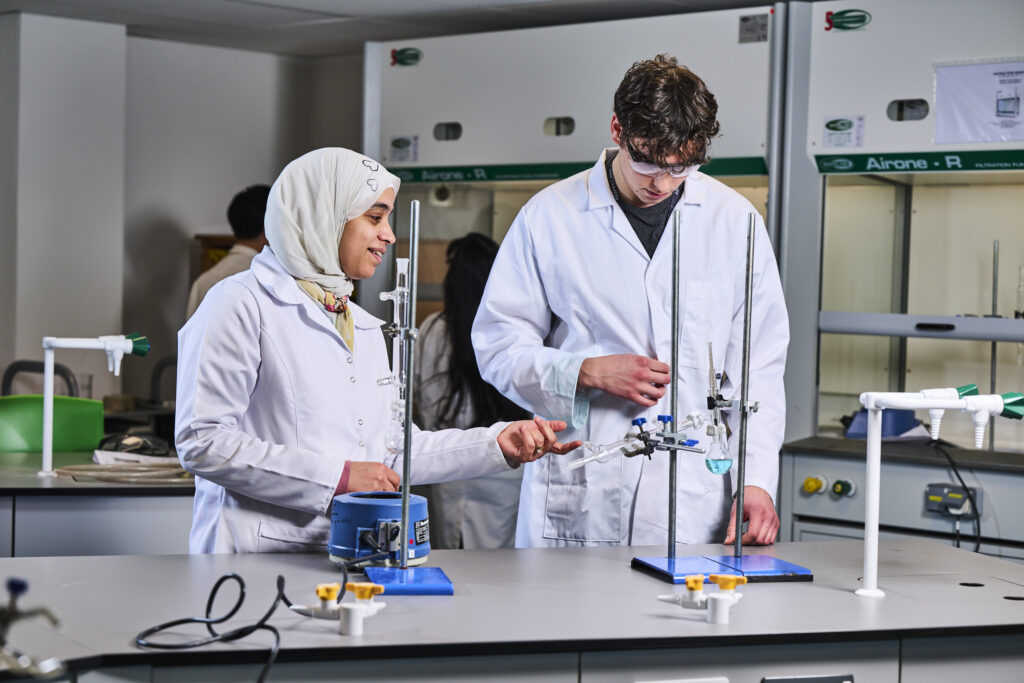
Applied Science BTEC (Diploma) is an exciting and hands-on course that deepens your scientific knowledge while building essential skills for further study or work. Covering mainly Biology and Chemistry, with elements of Physics, you’ll explore...
The BTEC Business Level 3 Diploma course is ideal for students who are interested in developing a strong foundation in business practices and preparing for a career in a wide range of industries or further...
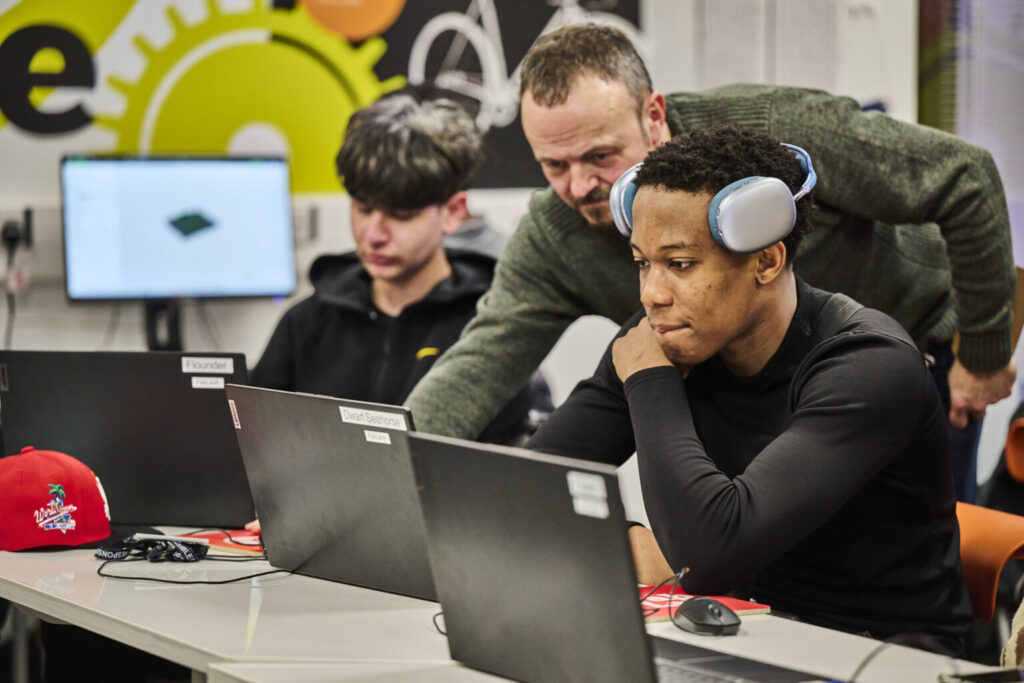
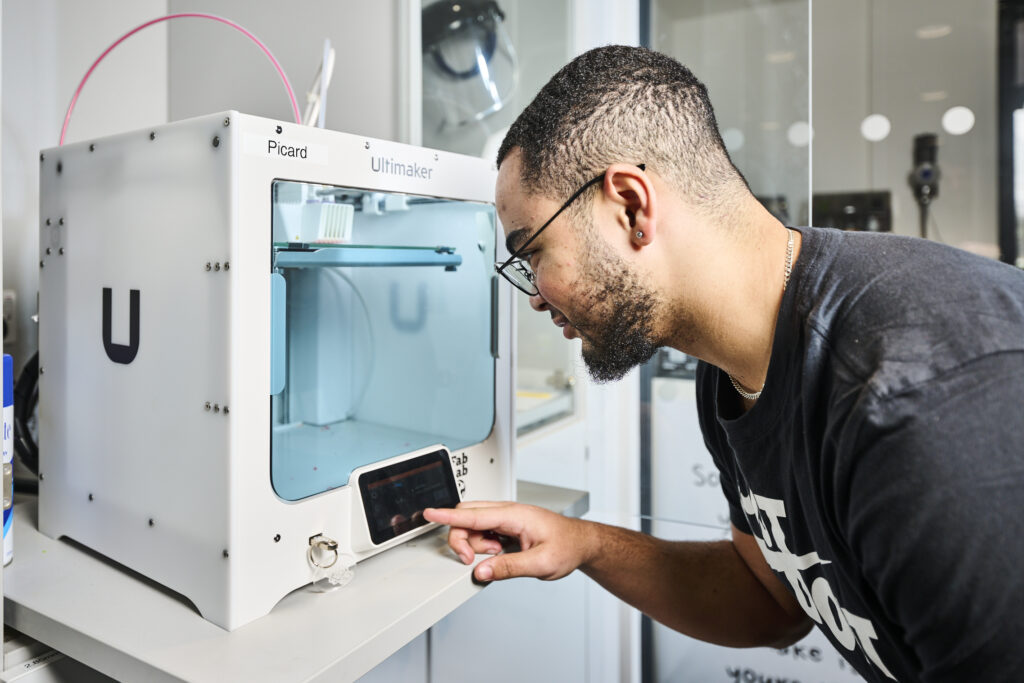
Who is this Engineering AAQ course for?This course is designed for school leavers with strong GCSE results who are aiming to progress to university to study Engineering or wish to be considered for an advanced...
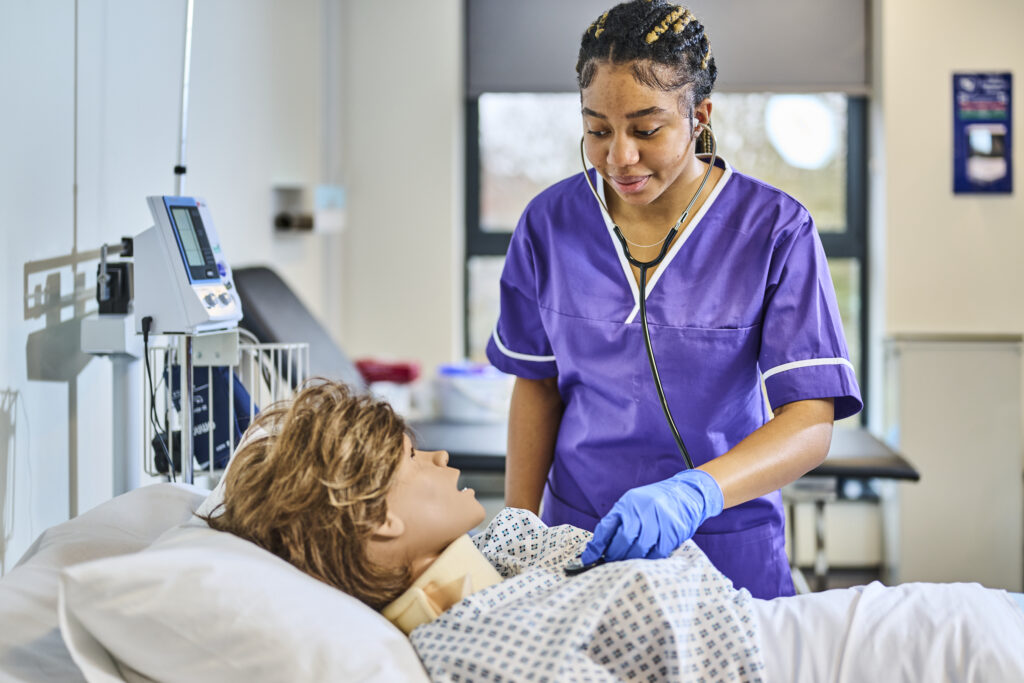
The Health & Social Care (Certificate) BTEC gives you all the personal skills, values and attributes you need to give you a solid foundation for a career in healthcare, nursing or social work. You’ll cover...
If you’re interested in biology, forensics, or health sciences, this BTEC Human Biology (AAQ) course is for you! It’s ideal for students who enjoy science and want a future in life sciences, biomedical research, or...
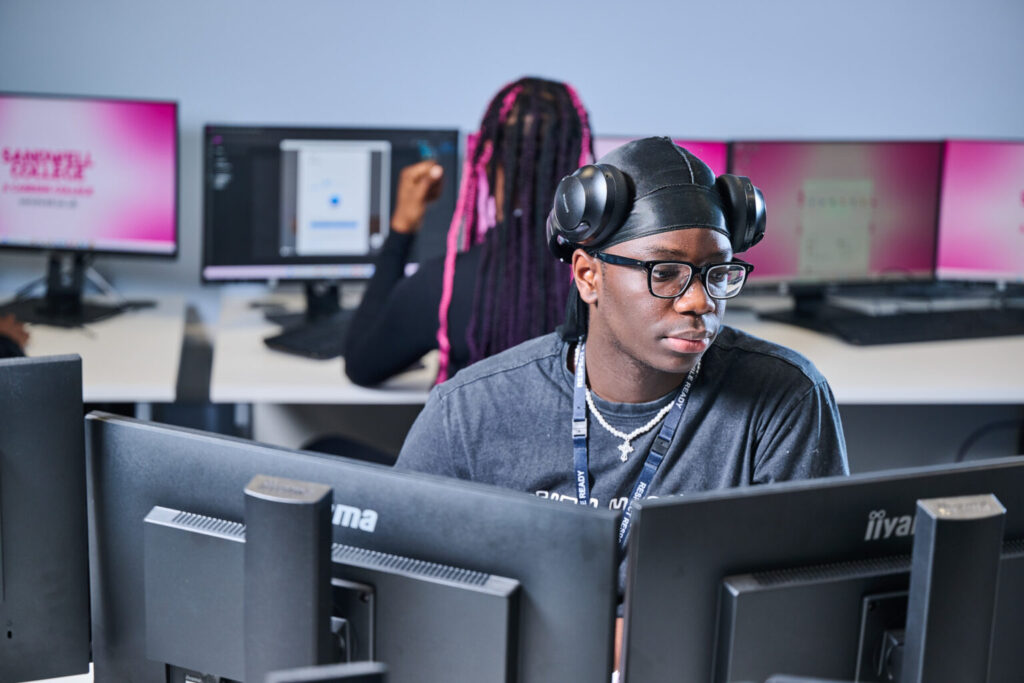
This exciting course is for 16–19-year-olds who are into tech, numbers, and how data powers apps, businesses, and decisions. It’s ideal if you’re thinking about university courses like Business Analytics, IT, or Digital Marketing—or want...
Our brand-new Games Design programme is built for gamers and made for creators. You’ll design, develop and test your own games using industry-standard tools while building a professional portfolio that universities and employers want to...
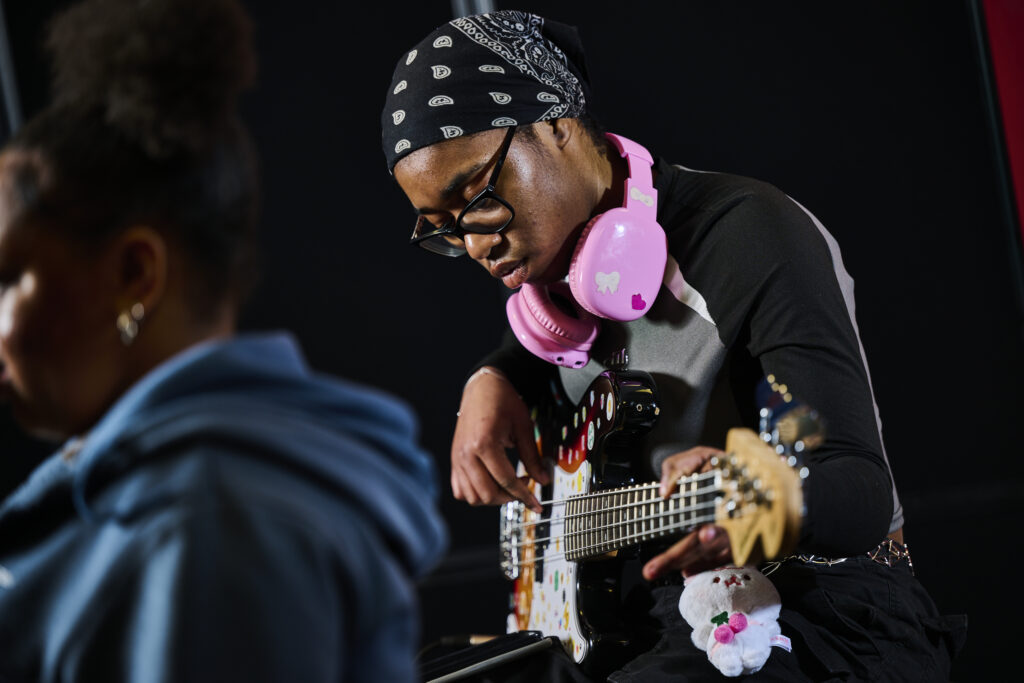
Music Performance BTEC is your first step into the exciting world of the music industry. Love music and want to turn your passion into a career? You’ll learn how to: Master live performance techniques and...
Music Production BTEC (RSL Certificate) is your first step into the exciting world of the music industry. You’ll learn how to record, mix and master music using industry-standard software like Studio One, while developing real-world...
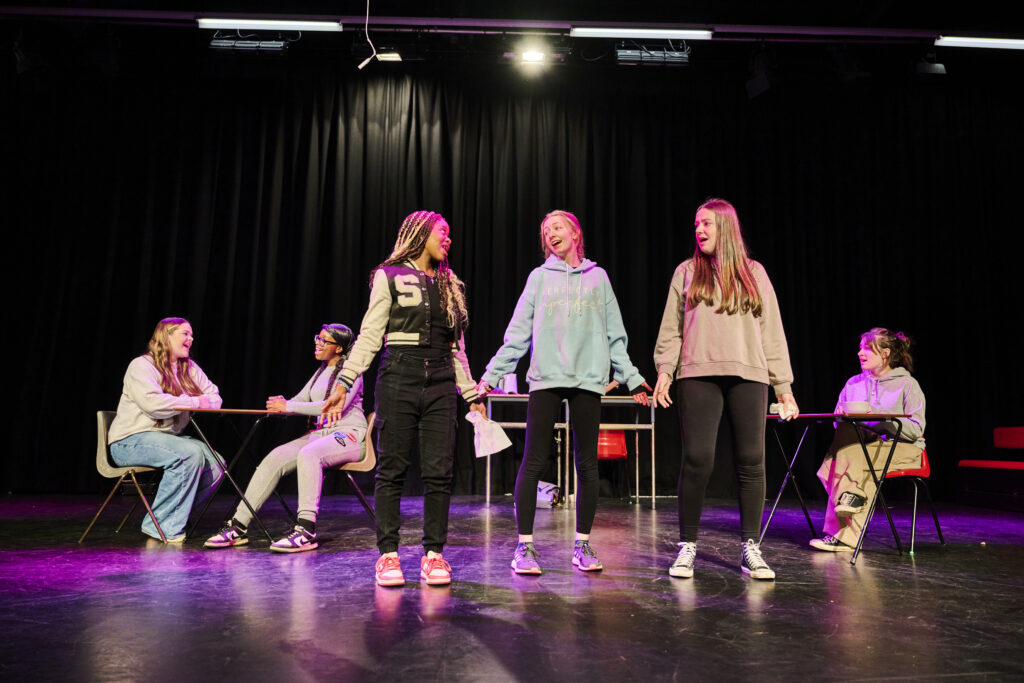
Level 3 Creative and Performing Arts BTEC course is designed for individuals aged 16-19 with a genuine passion for performance who are eager to develop their skills in a dynamic, practical, and hands-on environment. It’s...
BTECs (Business and Technology Educational Council) are established vocational qualifications that offer a practical alternative to A Levels. At Sandwell College, they are a popular choice for students who want to focus on a specific sector while keeping their options open for university or work.
What are BTECs Equivalent To?
The equivalence of a BTEC depends on the size of the course you choose. At Sandwell College, BTECs are offered in 3 different ways:
BTEC Diploma: equivalent to three A Levels.
BTEC Extended Diploma: equivalent to two A Levels.
BTEC Certificate: equivalent to one A Level.
What Subjects Can I Study?
A wide range of subjects are available including Law, Business, Science (Applied Science, Human Biology), Health & Social Care, IT, Engineering, Psychology, Creative (Music Performance, Music Production, Performing Arts), Sports Coaching & Development, and Travel & Tourism.
Can You Go to University with BTECs?
Yes! BTECs are widely recognised by UK universities. In fact, many Sandwell College students progress to higher education with a Level 3 BTEC Extended Diploma. They carry UCAS points that universities use for entry requirements.
What are the BTEC Grades?
BTECS use a simple grading scale:
P (Pass)
M (Merit)
D (Distinction)
D* (Distinction*)
If you do the full two-year Extended Diploma, you get three grades (e.g. DDD), which count towards your UCAS points just like three separate A Level grades.
Where Can a BTEC Take Me?
University: Over 100,00 BTEC students apply to UK universities every year.
Employment: Within your BTEC you will do practical work, meaning you’re job ready for entry level roles.
Higher Apprenticeships: Many BTEC students move into ‘earn while you learn’ roles at Level 4 or 5.
Are BTECs Better Than A Levels?
There isn’t a simple ‘better’ option – it depends on your goals.
BTECs are better if you prefer continuous assessment, enjoy practical projects, and want to focus on a specific career sector like sport, health, or business.
A Levels are better if you prefer academic study, want to keep your options open by studying multiple subjects, and are aiming for more traditional university routes.
In short, BTECs tend to be more coursework-led and vocational, while A Levels are more academic and exam-based.
Are BTECs Hard?
BTECs can be challenging, but in a different way to A Levels. Instead of being tested on everything at the very end of two years, BTECs require you to be consistent.
They require organisation and time management, as you will have regular assignment deadlines to meet throughout the year. If you enjoy ‘learning by doing’ and like seeing your progress as you complete each unit, you may find this style of learning more motivating than traditional exams.
What support will I get during my BTECs?
At Cadbury College, students benefit from expert teaching, personal tutors, career guidance, industry links, and employer connections. You’ll be supported throughout your course and progression.
Where do your students travel from?
Our learners travel from across Birmingham, Solihull, Hall Green, Oldbury, Bordesley, Sutton Coldfield & Redditch to experience our specialist Sixth Form College.
Apply Now for September 2026!
Begin your career journey at Cadbury Sixth Form College. Our courses will give you the skills and experience you need to succeed in your chosen career.
We can offer first class guidance and support to help you on your journey.
Our Open Days are a great opportunity for you to find out more about our inspirational facilities and talk to our knowledgeable tutors about the courses you like best.
We want to ensure the right level and type of support is in place for every one of our learners to be successful and treated as an individual. We believe that each student should be individually supported to grow and develop personally and professionally.
When you join us you’ll have access to a network of mentors and online 24/7 confidential counselling services for your emotional wellbeing, as well as a dedicated safeguarding team of staff, student-to-student safeguarding champions and your own personal tutor.